The Argument
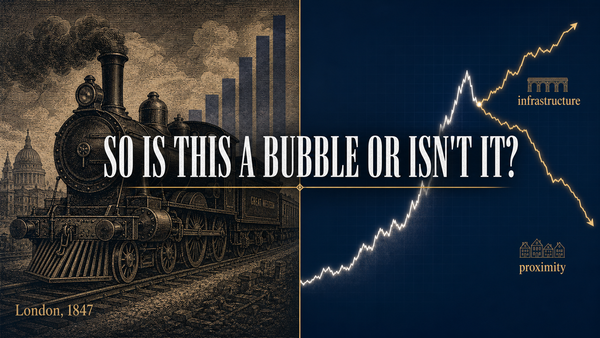
So Is This a Bubble or Isn't It?
The question is never whether the technology is real. The question is which part of it you are actually holding.

The Argument
The question is never whether the technology is real. The question is which part of it you are actually holding.
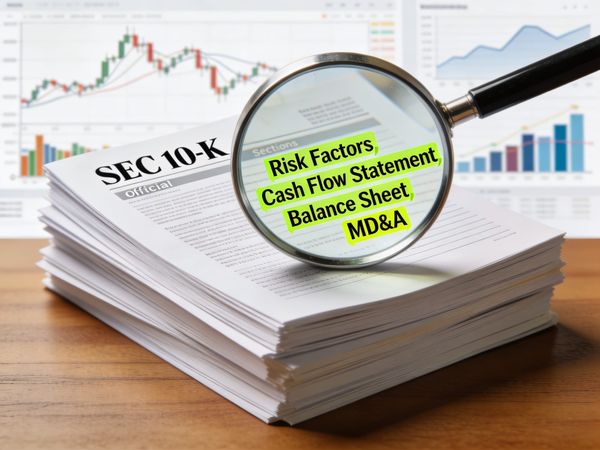
There's a version of financial analysis that would look at Amazon right now and panic. In the last twelve months, Amazon spent $131 billion in capital expenditures. Their free cash flow — the money left over after the business pays its bills and maintains itself — was $7.7 billion.
Reading The Tape
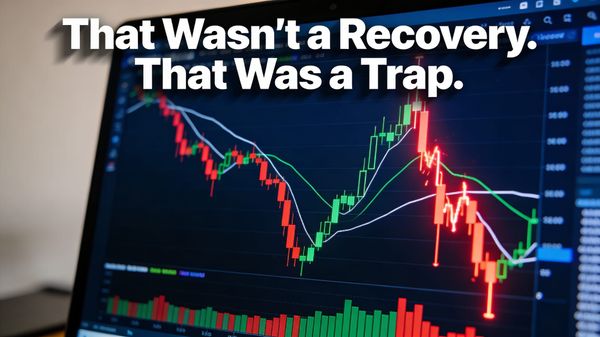
How to tell the difference between a real bounce and a short squeeze — before it costs you. You're watching a stock — or an index, or a futures contract — that's been falling for weeks. Then one day it just rips. Up 10%, 12%, sometimes more, in the
Reality Check
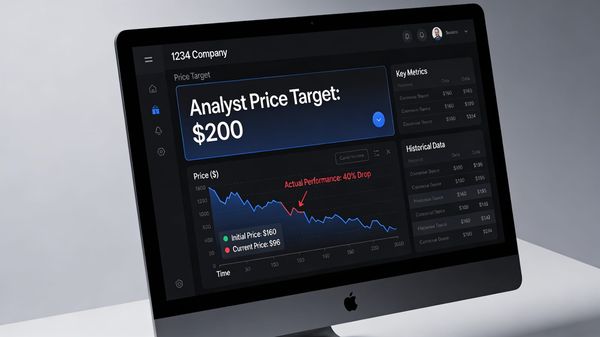
Why analyst price targets — and your own entry price — are two of the most dangerous anchors in investing There's a belief that sounds reasonable on the surface: "The analyst said $X, so that's where this stock is headed." Or the other version — the one
Reality Check
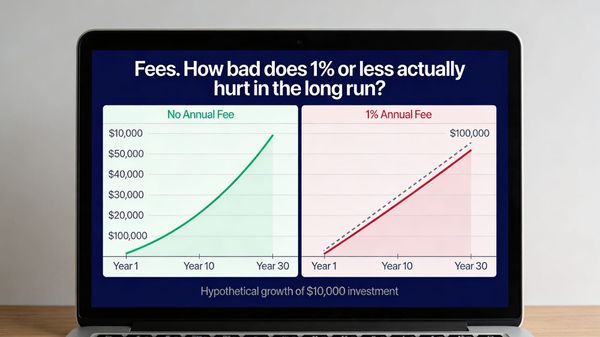
The short version A 1% annual fee sounds harmless — it's just a dollar per hundred. But because of how compounding works, that 1% charged every year doesn't just cost you 1% of your money. Over 30 years, it can cost you nearly a quarter of your
Reading The Tape
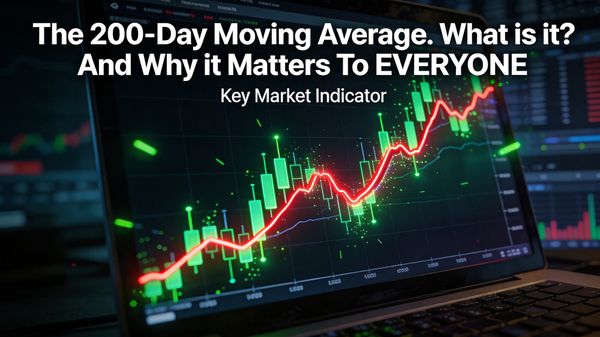
The short version The 200-day moving average is simply the average closing price of a stock or index over the past 200 trading days. It's one line on a chart — but it's the single most-watched line in professional investing. When price is above it,

How Markets Work
The short version The U.S. stock market is down about 7% from its recent peak, with four straight weeks of losses. Three things are hitting at once: a historically stretched market, an oil shock from the Middle East pushing inflation up, and a Federal Reserve that can't
The market, explained like you were always meant to understand it.